20.08.26
News
Key takeaways at a glance
- Community has become one of the most powerful drivers of brand advocacy, with consumers increasingly wanting to feel part of a brand rather than simply marketed to.
- The strongest community strategies don’t always involve building your own audience – they often start by partnering with existing communities that already share your brand’s values.
- Brands like REFY, Gymshark and TALA have shown that investing in ongoing community-building creates stronger long-term loyalty than one-off campaigns alone.
- Consumers increasingly expect brands to reward loyalty, not just influence, making customer-first experiences an important complement to creator activations.
- Opening events to consumers through ticketed experiences, community sessions or exclusive access helps brands create more inclusive campaigns and deeper brand affinity.
- The most effective community marketing isn’t about generating content, it’s about creating genuine connections that turn customers into long-term advocates.
For years, influencer marketing has been one of the most effective ways for brands to build awareness, launch products and drive conversation. And whilst creators remain an incredibly powerful part of the marketing mix, the brands creating the strongest long-term loyalty are looking beyond influencer audiences alone.
They’re building communities.
Not communities they necessarily own, but communities they actively participate in. Whether that’s partnering with existing interest groups, opening launches to loyal customers or creating experiences that bring like-minded people together, brands are recognising that genuine advocacy doesn’t just come from the people with the biggest followings. It comes from the people who genuinely care.
In today’s crowded social landscape, visibility is easy to buy. Belonging isn’t.
Why community matters more than ever
Consumers are increasingly looking for brands that feel like they fit into their lives, not just their shopping baskets. They want shared experiences, authentic connections and brands that understand the culture and communities they’re already part of.
The beauty of community marketing is that advocacy happens naturally. People aren’t attending because they’re being paid to post. They’re there because they genuinely want to be. The conversations, recommendations and content that follow feel more authentic because they are.
Community also creates something many traditional campaigns struggle to achieve: repeat engagement. Every event, partnership or experience strengthens relationships rather than delivering a single spike in awareness.
The brands getting it right
Some of today’s fastest-growing brands haven’t treated community as a marketing tactic. They’ve built it into the fabric of their business from day one.
Take REFY. The brand invited members of its community to Mallorca for a trip inspired by founder Jess Hunt’s favourite places on the island. Rather than another influencer getaway, it was positioned as a thank you to a handful of hand-selected customers who had supported the brand from the beginning.
The trip wasn’t about content quotas or media value. It was about creating meaningful experiences, building friendships and giving something back to the community that helped build the brand in the first place. In REFY’s own words, every launch, product and decision has been shaped by its community’s feedback, making the trip a natural extension of that relationship.
Whilst only a handful of customers attended, the impact extended far beyond those on the trip. The activation sparked widespread conversation online, with consumers praising the brand for investing in its community rather than another influencer getaway.
But the Mallorca trip wasn’t a one-off. REFY has consistently found ways to keep its community involved year-round. The brand was an early adopter of Instagram’s Broadcast Channels, launching REFY Group Chat as a direct line between the brand and its customers. More than a place to announce new launches, it’s become a genuine community forum where members share feedback, ask questions and influence future product development. It’s a simple but powerful reminder that community isn’t built through one campaign – it’s nurtured through ongoing conversation.
Gymshark has taken a different approach but with the same outcome. Through lift events, run clubs, local meet-ups and fitness experiences, the brand has built a cult-like community around movement and self-improvement. The product may bring people through the door, but it’s the shared experiences, friendships and sense of belonging that have turned customers into passionate advocates.
TALA has adopted a similarly community-first mindset. From customer workouts and wellness events to opportunities for its audience to connect offline, the brand consistently creates spaces where customers don’t just shop – they belong.
Every touchpoint reinforces the lifestyle the brand represents, allowing its community to connect over shared values rather than simply shared purchases.
None of these brands treat community as a campaign. They treat it as an ongoing relationship.
Sometimes the most powerful marketing is simply showing up
Community marketing doesn’t always require a large-scale activation. Often, it’s the unexpected moments that leave the biggest impression.
When Paige DeSorbo launched her sleepwear brand, Daphne, she surprised a bride celebrating her hen party in New York after discovering the group had contacted the brand’s Bridal Concierge to order personalised pyjamas. Rather than simply fulfilling the order, Paige arrived in person with gifts for the entire bridal party. It wasn’t an influencer event. It wasn’t a paid partnership. It was a genuine surprise for real customers who were already choosing the brand.
Moments like these create stories people genuinely want to tell. They transform customers into advocates because the experience feels personal, thoughtful and completely unexpected.
The lesson isn’t that every founder needs to crash a hen party. It’s about looking for opportunities to surprise and reward the people who are already investing in your brand.
You don’t need to build a community from scratch
One of the biggest misconceptions is that brands need to create their own communities. In reality, some of the strongest campaigns simply tap into communities that already exist.
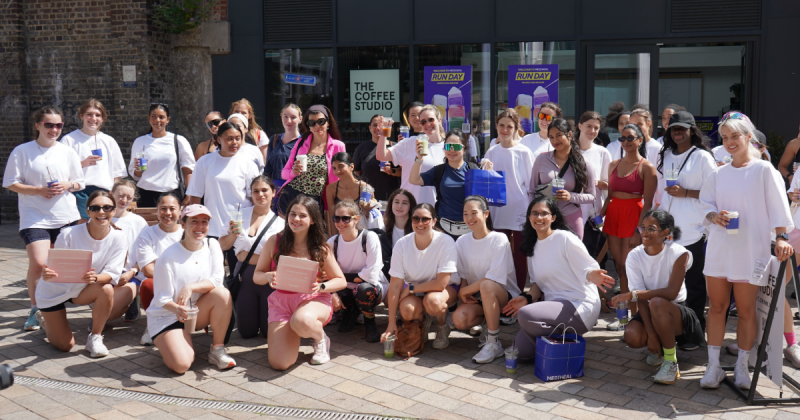
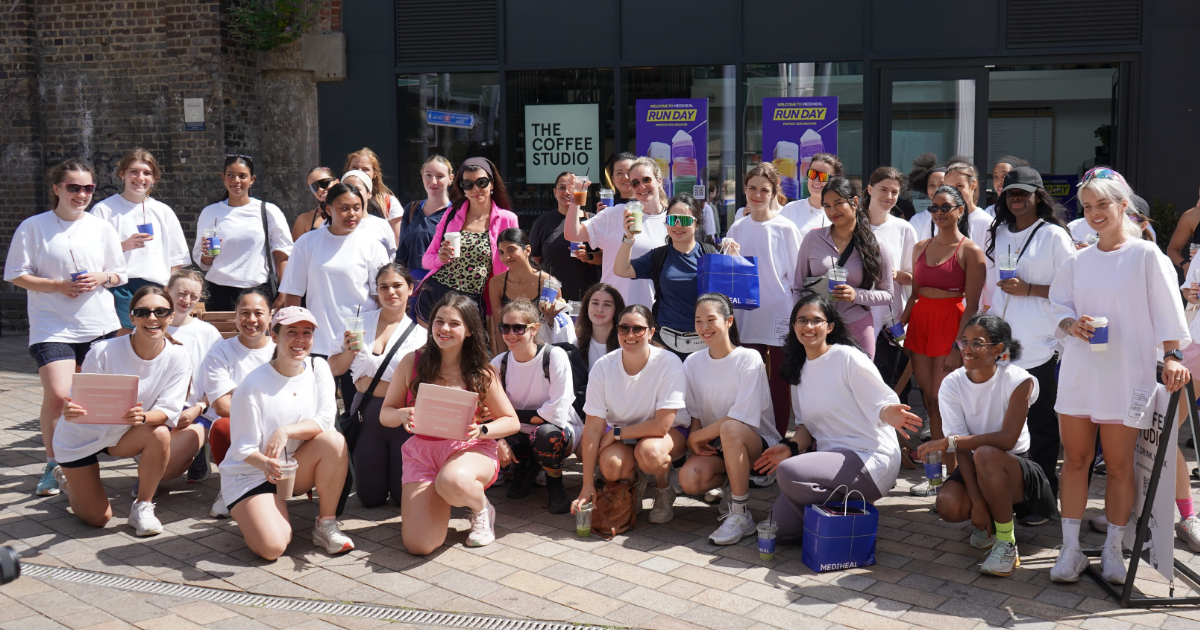
At b the agency, we’ve seen first-hand how effective this can be. For Korean skincare brand MEDIHEAL, rather than launching our own running club, we’ve consistently partnered with existing run clubs that already had engaged, passionate communities. Together, we created skincare experiences around the run itself, educating participants on how to protect their skin before they set off and how to recover afterwards with targeted skincare. The brand wasn’t interrupting the experience. It was enhancing it. By adding value to an existing community rather than trying to create one from scratch, MEDIHEAL became part of a lifestyle consumers already loved.
The best campaigns bring creators and consumers together
One of the biggest opportunities we see for brands is moving away from activations that are exclusively for media and influencers. The growing backlash against extravagant influencer trips has highlighted a wider shift in consumer expectations. Audiences are increasingly questioning why the biggest rewards are reserved for those with the largest followings, whilst loyal customers watch from the sidelines. Brands that open the door to their wider community aren’t just creating more inclusive experiences – they’re building stronger advocacy too.
Instead, think about creating multiple moments with your events.
- Day One can focus on press, creators and industry partners, generating premium content and media coverage.
- Day Two can open the doors to consumers. Ticket the event. Invite newsletter subscribers, loyal customers or members of your community. Offer product trials, founder Q&As or exclusive first access.
Not only does this create a more inclusive experience, but it also gives something back to the people who ultimately buy the product. Community shouldn’t just watch the campaign unfold online; they should have the opportunity to be part of it.
Creating experiences people genuinely want to attend
The best community activations aren’t necessarily the biggest. They’re the ones that provide genuine value. At b the agency, we’ve seen first-hand how consumer-first experiences can transform product launches into genuine community moments.
For Australian body care brand GEM, we celebrated its UK launch by partnering with Morena in Marylebone for a one-day pop-up, rewarding the first 150 visitors with complimentary gourmand-inspired products, drinks and treats. Rather than asking consumers to simply watch the launch unfold online, we created an experience that invited them to discover the brand for themselves.
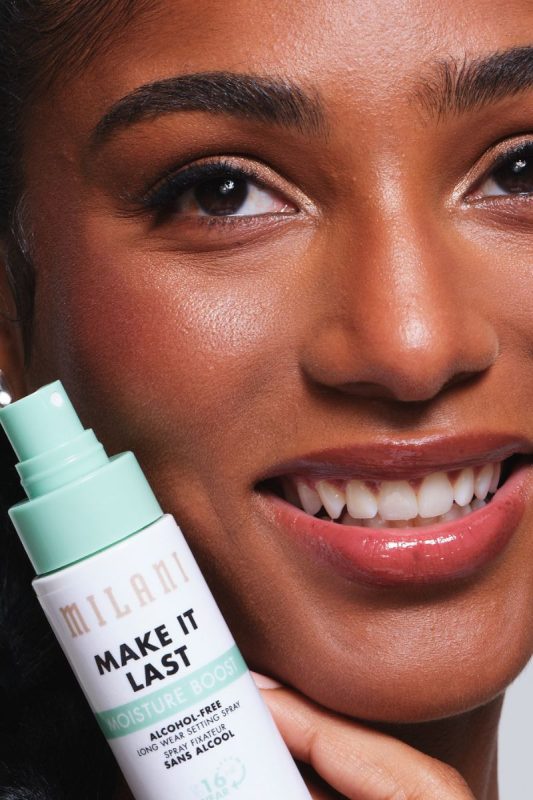
For Milani, we transformed the launch of the brand’s Fruit Fetish Lip Oils into a week-long café takeover at FILTRD in London. Inspired by the collection’s juicy shades, guests could enjoy an exclusive matcha menu while discovering the products, with the first 50 visitors each day receiving a complimentary Lip Oil. By blending beauty with culture, we created an activation that people actively wanted to visit rather than simply scroll past.
For GARAGE’s UK store openings, we started with influencer preview events before evolving the concept into consumer-first launch celebrations, rewarding the brand’s early adopters with complimentary drinks, surprise gift cards, photo opportunities and entertainment that encouraged people to spend time in-store rather than simply shop and leave.
For Bali Body, we first took over Cocomelt to celebrate the launch of the brand’s Face Tan Milk into Boots, inviting consumers to enjoy complimentary coffee, cookies and products. Rather than relying solely on influencer content to drive awareness, we created an experience that customers actively wanted to be part of. We then built on this with a Soho summer pop-up, rewarding the first 500 visitors with complimentary full-size products and refreshing ice lollies. What could have been a standard retail launch became a community moment, generating queues, conversation and genuine excitement around the brand.
Across each of these campaigns, the objective wasn’t just to generate social content. It was to reward consumers, create memorable brand experiences and make customers feel like they were part of the launch, not simply watching it unfold online.
Five ways to build a stronger community strategy
Tap into existing communities first – You don’t need to create your own run club, book club or wellness collective. Partner with communities that already exist and think about how your brand can genuinely add value to their experience.
Reward your customers, not just your creators – Exclusive experiences shouldn’t only be reserved for influencers. Give loyal customers early access, invitations or moments that make them feel valued.
Think beyond launch day – Community isn’t built through one event. Consider recurring moments that people can look forward to throughout the year, whether that’s monthly meetups, seasonal activations or ongoing partnerships.
Create experiences worth remembering – Free products are great, but education, entertainment, access and human connection are what people remember. Ask yourself what guests will be talking about once they leave.
Bring creators and consumers together – The strongest campaigns don’t choose between influencers and communities – they combine both. Think about how consumers can be part of the same story rather than simply watching it unfold online.
The future belongs to brands that create belonging.
Influencer marketing isn’t going anywhere, but increasingly, the brands winning hearts (and keeping them) are those investing in something much deeper than reach. They’re creating spaces where people feel welcome. They’re rewarding loyalty as much as visibility. They’re becoming part of communities rather than simply marketing to them.
Because when consumers feel like they’re part of your story, they don’t just buy your product.
They become your biggest advocates.
The brands that will stand out over the next decade won’t necessarily be those with the biggest influencer budgets. They’ll be the ones that make people feel like they belong.