27.01.26
News
Lifestyle
Key takeaways at a glance
- The new HFSS legislation will shape how food and drink brands build trust, design portfolios and communicate value.
- Paid, performance-led marketing faces growing limits, while PR, earned media and owned channels retain influence.
- Brands performing well avoid simplistic healthy versus unhealthy narratives and focus on education and transparency.
- Activation and experience are evolving into core commercial infrastructure
- Budget is shifting towards connected paths to purchase that link discovery directly to retail and transaction.
- Trust in food and drink is sensory. Letting people taste, learn and engage drives confidence and loyalty.
Food and drink brands are heading into 2026 in a more complex operating environment. Regulation, changing consumer expectations and pressure on traditional performance channels are all influencing how growth is built and sustained.
HFSS sits at the centre of that shift, but it is not acting in isolation. Consumers are paying closer attention to what they buy, how products are made and how brands communicate their values. Clearer health cues, transparency around ingredients and experiences that feel genuinely useful are shaping decision-making. As a result, trust has become both more valuable and harder to earn.
This blog looks at what that means in practical terms for food and drink brands planning for the year ahead. Drawing on insight from Olivia Wild, Associate Director for Lifestyle and Consumer at b. the agency, it explores how HFSS is reshaping trust and communication, why experience and activation are taking on greater commercial importance, and how budget is shifting as brands work to connect discovery with purchase.
Rather than focusing on isolated tactics, the piece unpacks how PR, experience, retail and community can work together to build credibility and demand in a more restricted environment. For brands deciding where to invest time, energy and budget next, it offers a clear view of what is gaining traction and why.
HFSS and the changing economics of trust
HFSS has changed how food and drink brands can reach and influence consumers. Paid, performance-driven marketing remains part of the mix, but its effectiveness is increasingly constrained, particularly for brands managing broad or complex portfolios.
Earned media, corporate storytelling, thought leadership and strong owned channels continue to play a critical role. These spaces allow brands to explain their decisions, provide context and build credibility over time.
“The brands gaining traction are the ones using effective communications to educate,” says Olivia Wild, Associate Director for Lifestyle and Consumer at b. the agency. “They focus on explaining ingredients, sourcing and product choices, rather than relying on simplified health claims.”
In food and drink, trust is built through explanation, not just labels. Consumers want context around ingredients and quality – they’re look for nuance, reassurance and clarity. PR-led education gives brands the space to address questions honestly and in depth, supporting trust that builds gradually rather than through persuasion alone.
Experience moves to the centre of growth strategy
One of the most significant shifts shaping food and drink marketing is the role of activation and experience.
Experience has often been treated as a supporting layer. A launch moment, a pop-up or a short-term tactic designed to generate attention. That approach is giving way to a more strategic view.
In a HFSS-constrained environment, experience plays multiple roles at once. It allows brands to demonstrate quality rather than assert it. It creates permissioned spaces for engagement. It supports earned media and it generates insight that feeds product development and portfolio strategy.
“In food and drink, trust is sensory,” says Wild. “People want to taste the product, understand what’s in it and speak to real brand representatives. Experience makes that possible without asking for immediate purchase.”
Because consumers actively choose to engage with these moments, experience becomes one of the most credible ways to build understanding and confidence in a restricted landscape.
How experience is being rebuilt around product, education and trust
As experience takes on more commercial weight, its execution is becoming more disciplined.
Food and drink brands are moving away from spectacle-led activations that prioritise visibility over value. What performs better are product-first experiences built around education, relevance and utility.
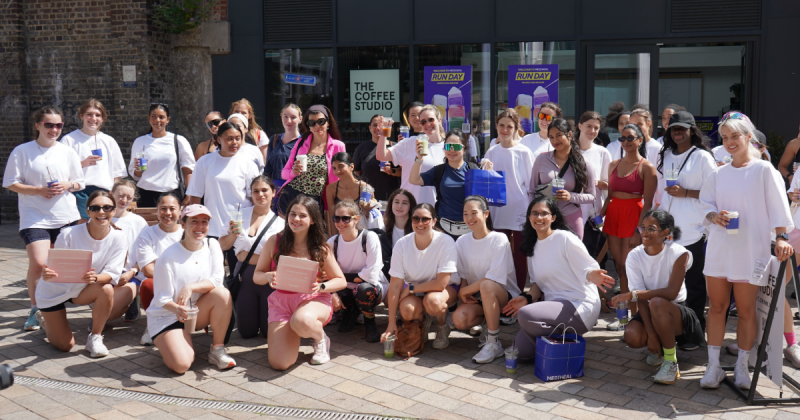
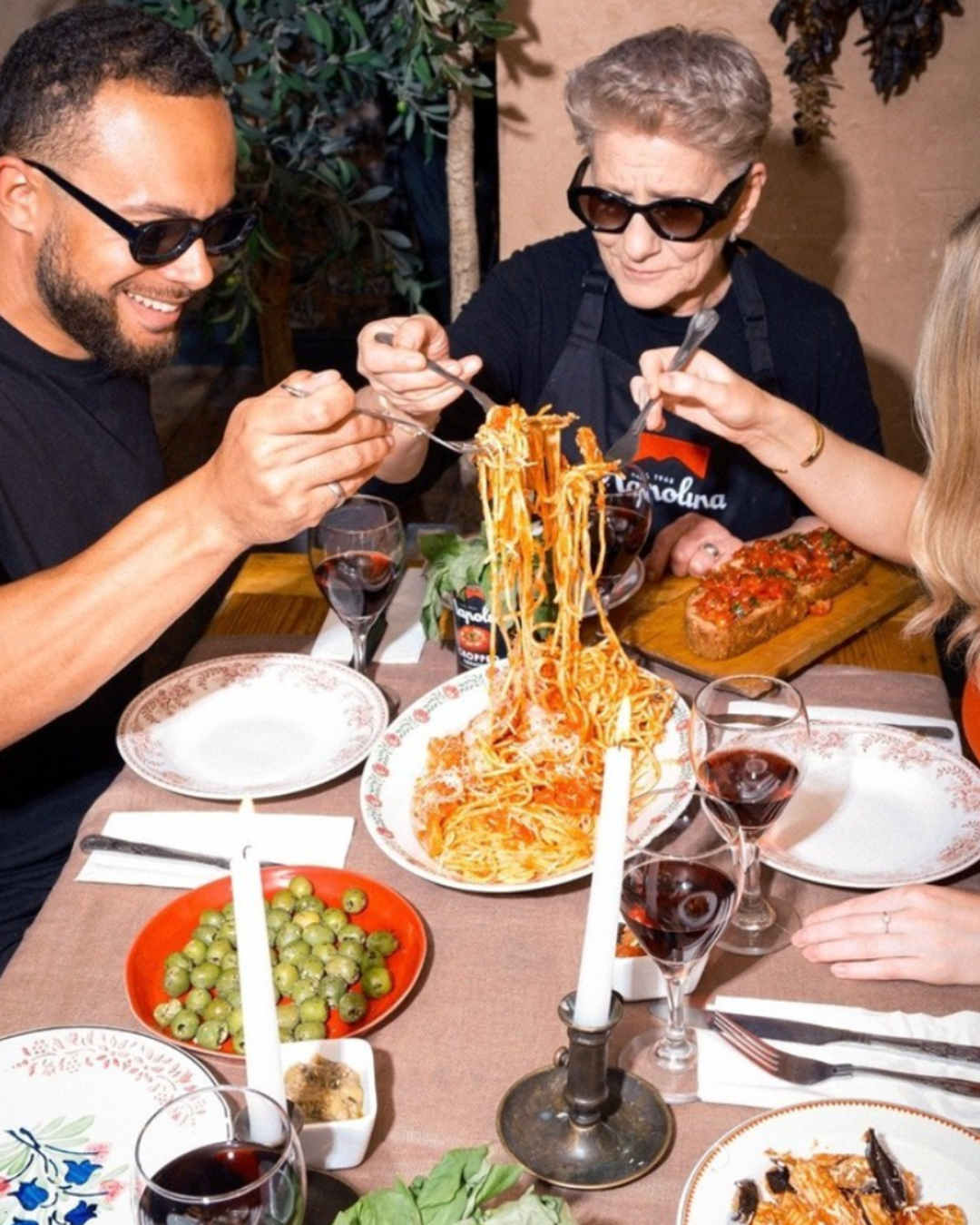
That might include tasting-led formats that unpack formulation and sourcing, retail-adjacent experiences that support trial before purchase, or community moments that fit naturally into people’s routines.
Each interaction is designed to answer a simple set of questions: what is this product, why is it made this way, how does it fit into my life?
These experiences also generate insight that goes beyond surface-level metrics. Direct feedback, observed behaviour and real conversation provide clarity on what resonates, informing future innovation, messaging and portfolio decisions.
Where budget is moving in 2026
These strategic shifts are reflected in how food and drink brands are allocating budget.
Many are focusing on building a more connected path to purchase. Social, creator-led content and experiential activity often introduce a brand, while purchase happens later, frequently in retail. The distance between discovery and transaction can weaken momentum.
Investment in 2026 is aimed at closing that gap. Experiential activity is increasingly designed with conversion in mind, supported by clearer signposting to purchase channels, shoppable formats and stronger integration with retail partners. In-store discovery tools, education-led experiences and co-funded activation help capture demand where it converts.
“Experience works hardest when it connects directly to retail,” says Wild. “Brands are putting budget behind activity that supports partners and turns interest into action.”
Community is also shaping spend decisions. Rather than relying on paid placements alone, brands are investing in network-led community building. Events and shared experiences help establish trust and credibility, particularly in categories where recommendation and reassurance matter.
These moments encourage discussion, advocacy and repeat engagement, strengthening earned media and long-term loyalty.
Together, these changes reflect a more joined-up view of return on investment. Budget follows systems that connect influence to action, experience to transaction and community to growth.
Why PR underpins the entire model
As food and drink marketing becomes more experience-led and more constrained by regulation, PR plays a structural role rather than a supporting one.
PR connects product truth to public understanding. It translates what happens in experiential environments into credible, third-party validation and ensures those proof points travel beyond the moment itself.
Without PR, experience risks becoming isolated. A well-executed activation may build trust with those who attend, but its wider commercial impact remains limited if the learning and evidence are not carried further.
“PR is what gives experience longevity,” says Wild. “It takes what a brand can show in person and turns it into stories that carry weight with media, retail partners and consumers encountering the brand for the first time.”
PR also plays a critical role earlier in the process. It helps shape what gets demonstrated in the first place. Ingredient decisions, formulation choices and quality standards benefit from PR input before an experience is built, not after it launches.
This matters particularly in a HFSS-restricted environment, where credibility depends on explanation rather than persuasion. PR ensures brands communicate with clarity and restraint, while still articulating value.
For food and drink brands planning for 2026, that coordination turns experience from a moment into a growth system.
Rethinking how your food and drink brand grows under HFSS? We help brands build trust-led strategies that combine PR, experience and earned media to drive sustainable growth: hello@b-theagency.com
Read More