11.06.26
News
Key takeaways at a glance
- Influencer brand trips remain an effective tool for generating awareness, content and cultural relevance.
- Consumers are not rejecting aspiration; they are questioning activations that feel exclusive without offering value in return.
- Economic pressures and increased transparency around influencer marketing have made audiences more critical of luxury creator experiences.
- The strongest campaigns balance aspiration with accessibility, creating experiences that feel inspiring rather than alienating.
- Consumer participation is becoming a key expectation, whether through giveaways, exclusive offers, competitions or early product access.
- Future-proof influencer marketing will focus on delivering value for creators, brands and consumers alike, ensuring audiences feel part of the story rather than spectators.
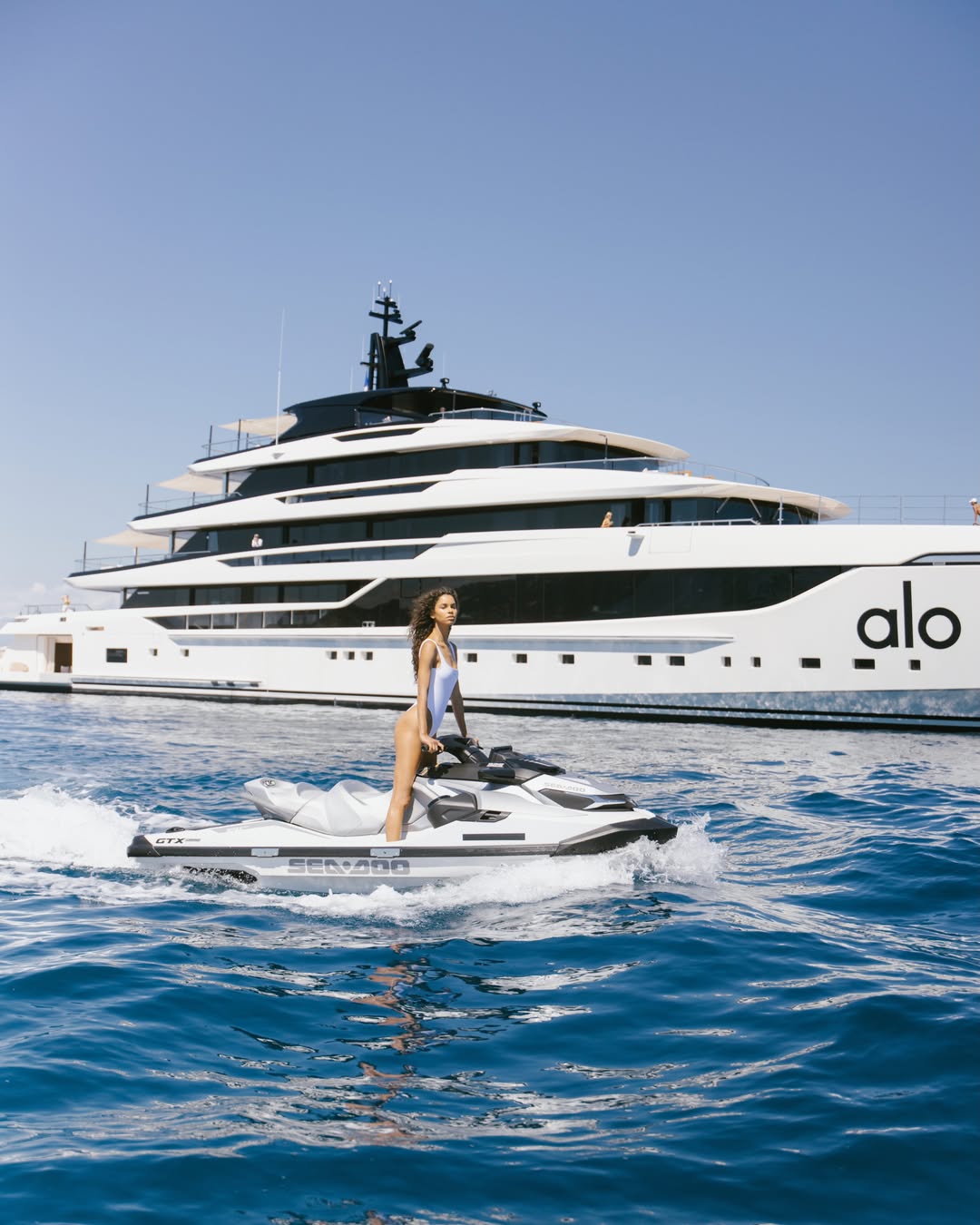
From ALO’s yacht activation to Marks & Spencer’s influencer trip to Ibiza, and Space NK’s Miami getaway, brand trips remain one of the most talked-about tactics in influencer marketing.
And on the surface, they’re doing exactly what they’re designed to do. They generate social content, drive awareness, spark conversation, and position brands within aspirational lifestyle spaces.
But alongside the engagement, a sense of consumer backlash is bubbling. Audiences are increasingly questioning whether these lavish creator experiences are genuinely inspiring or simply out of touch. They’re asking who benefits from these activations and whether brands are creating value for consumers, or just for the influencers invited along.
For brands investing in creator marketing, the question is clear: are audiences losing interest in aspiration, or do they simply expect more?
Consumers Still Want Aspiration
Despite the criticism, aspirational marketing isn’t going anywhere. People still follow creators for inspiration. Luxury travel, designer fashion and behind-the-scenes access to exclusive experiences remain huge drivers of engagement.
What’s changed is context. Consumers are more aware of how influencer marketing works and are navigating a tighter economic climate. Lavish creator trips and luxury gifting can sometimes feel disconnected from everyday reality.
That doesn’t mean brands should stop investing in premium experiences. It means those experiences need to feel thoughtful, authentic and relevant. Recent criticism of campaigns hasn’t been about luxury itself – it was about perception. Consumers felt they were watching brands spend heavily on influencers while receiving little value themselves.
In short, consumers aren’t rejecting aspiration; they’re rejecting exclusivity without inclusion.
Inspiration vs Alienation
The most effective influencer campaigns create a sense of possibility not distance.
What’s interesting about many of the recent examples is that, from a marketing perspective, they worked. They generated coverage, social engagement and plenty of conversation. The challenge is that some of that conversation wasn’t necessarily positive.
Take the Marks & Spencer Ibiza trip. The catwalk concept was a smart way to showcase the retailer’s latest summer collection and the content helped to enhance their fashion credentials. But alongside the excitement came questions from consumers about what they were getting from the campaign. A holiday wardrobe discount, a competition to win a similar getaway or even exclusive access to featured products could have helped turn observers into participants.
The same conversation emerged around Space NK’s Miami trip. The activation generated significant buzz and succeeded in creating a desirable brand experience. However, some consumers questioned why influencers (and in some cases their entire families) were enjoying a luxury getaway, while loyal customers weren’t receiving any tangible benefit. The issue wasn’t the trip itself; it was the absence of a consumer component.
ALO’s yacht activation faced similar criticism. While the content delivered the aspirational aesthetic the brand is known for, some audiences viewed the experience as excessive and disconnected from everyday consumers.
The common thread across all three examples isn’t that aspiration has stopped working. It’s that audiences increasingly expect brands to create a value exchange that extends beyond the creator guest list. They don’t necessarily want a seat on the yacht, but they do want to feel included in the story.
Why Consumer Participation Matters
Creator experiences should never be designed purely for creators. The strongest campaigns deliver value for the brand, creators AND consumers.
This doesn’t always mean literally taking consumers on the trip. Sometimes it’s as simple as early access to a collection, an exclusive discount, a giveaway, or content that celebrates the people who shop the brand.
At B. The Agency and SUMMER, we’re increasingly building these consumer-first extensions into influencer activations. By creating small, thoughtful moments, brands can make audiences feel included, connected, and valued, rather than just watching from the sidelines.
For lifestyle, beauty, fashion, and wellness brands, participation matters more than ever. Consumers want to feel part of the brand world, not just marketed to.
The Future of Influencer Brand Trips
The death of the influencer trip has been greatly exaggerated. They remain highly effective for content generation, brand affinity, and cultural relevance. But audience expectations are evolving.
The brands that succeed won’t abandon aspiration, they’ll balance exclusivity with accessibility, luxury with authenticity, and creator experiences with consumer value.
The backlash around ALO, Marks & Spencer, and Space NK shows that audiences want a seat at the table. The future of influencer marketing isn’t less aspiration, it’s smarter aspiration.
Navigating changing consumer expectations around influencer marketing? We help brands create creator-led campaigns that balance aspiration with authenticity, combining PR, social and influencer strategy to build engagement, trust and long-term brand affinity: summer@b-theagency.com
Read More